


Close Menu
Automotive Interiors World
  • News
    • A-C
      • 3D Printing
      • ADAS
      • Aftermarket
      • Appointments, Partnerships, Investments & Acquisitions
      • Augmented Reality
      • Automotive Interiors Expo
      • Autonomous
      • Computing
      • Concepts
      • Connectivity
    • D-L
      • Dash
      • Displays
      • EV
      • Graphics & Printing
      • Haptics
      • HMI
      • HVAC
      • Infotainment
      • Lighting
      • Luxury
    • M-S
      • Materials
      • Microprocessors
      • NVH & BSR
      • Personal Assistants
      • Safety
      • Seating
      • Sensors
      • Simulation
      • Sound System
    • S-V
      • Sport
      • Surfaces & Decoration
      • Sustainability
      • Testing
      • Trim
      • Virtual Reality
  • Features
  • Online Magazines
    • May 2020
    • October 2019
    • May 2019
    • October 2018
    • May 2018
    • Subscribe Free!
  • Opinion
  • Videos
  • Supplier Spotlight
LinkedIn
  • Sign-up for Free Weekly E-Newsletter
  • Meet the Editors
  • Contact Us
  • Media Pack
LinkedIn
Subscribe
Automotive Interiors World
  • News
      • 3D Printing
      • ADAS
      • Aftermarket
      • Appointments, Partnerships, Investments & Acquisitions
      • Augmented Reality
      • Automotive Interiors Expo
      • Autonomous
      • Computing
      • Concepts
      • Connectivity
      • Dash
      • Displays
      • EV
      • Graphics & Printing
      • Haptics
      • HMI
      • HVAC
      • Infotainment
      • Lighting
      • Luxury
      • Materials
      • Microprocessors
      • NVH & BSR
      • Personal Assistants
      • Safety
      • Seating
      • Sensors
      • Simulation
      • Sound System
      • Sport
      • Surfaces & Decoration
      • Sustainability
      • Testing
      • Trim
      • Virtual Reality
  • Features
  • Online Magazines
    1. May 2020
    2. October 2019
    3. May 2019
    4. October 2018
    5. May 2018
    6. Subscribe Free!
    Featured
    April 3, 2020

    In this Issue – May 2020

    By Helen NormanApril 3, 2020
    Recent

    In this Issue – May 2020

    April 3, 2020

    In this Issue – October 2019

    September 19, 2019

    In this Issue – May 2019

    April 30, 2019
  • Opinion
  • Videos
  • Supplier Spotlight
  • Events
LinkedIn
Subscribe
Automotive Interiors World
HVAC

Kia EV9 e-SUV benefits from updated and rigorously tested HVAC system

Callum Brook-JonesBy Callum Brook-JonesApril 29, 20233 Mins Read
Share LinkedIn Twitter Facebook Email

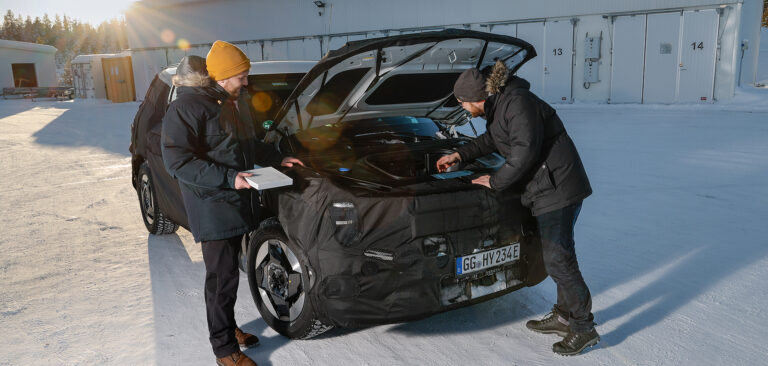
To test the Kia EV9 e-SUV’s heating, ventilation and air conditioning (HVAC) systems to the limit, the OEM subjected the components to extreme heat in southern Spain and the cold of northern Sweden to ensure a high level of performance, efficiency and comfort for passengers in all-weather scenarios.

The Kia EV9’s thermal system consists of a heat pump, climate control system and defrost and de-icing features. Furthermore, the OEM has added a new and easy to use climate control panel and improved roof vents for additional comfort and convenience.

Unlike the majority of EVs, which utilize a basic electric heater for cabin climate control, the EV9 features a heat pump for extra efficiency. For additional efficiency, the waste heat of the e-motors and power electronics system is collected and used to heat the interior. By reducing the energy consumption, driving range is increased.

“Our goal is to tune the climate system to offer the best compromise between cabin comfort and energy consumption,” said Richard Peiler, group manager HVAC & PT Cooling at Hyundai Motor Europe Technical Center. “We are confident that EV9 customers will experience both a comfortable cabin and a satisfying driving range.”
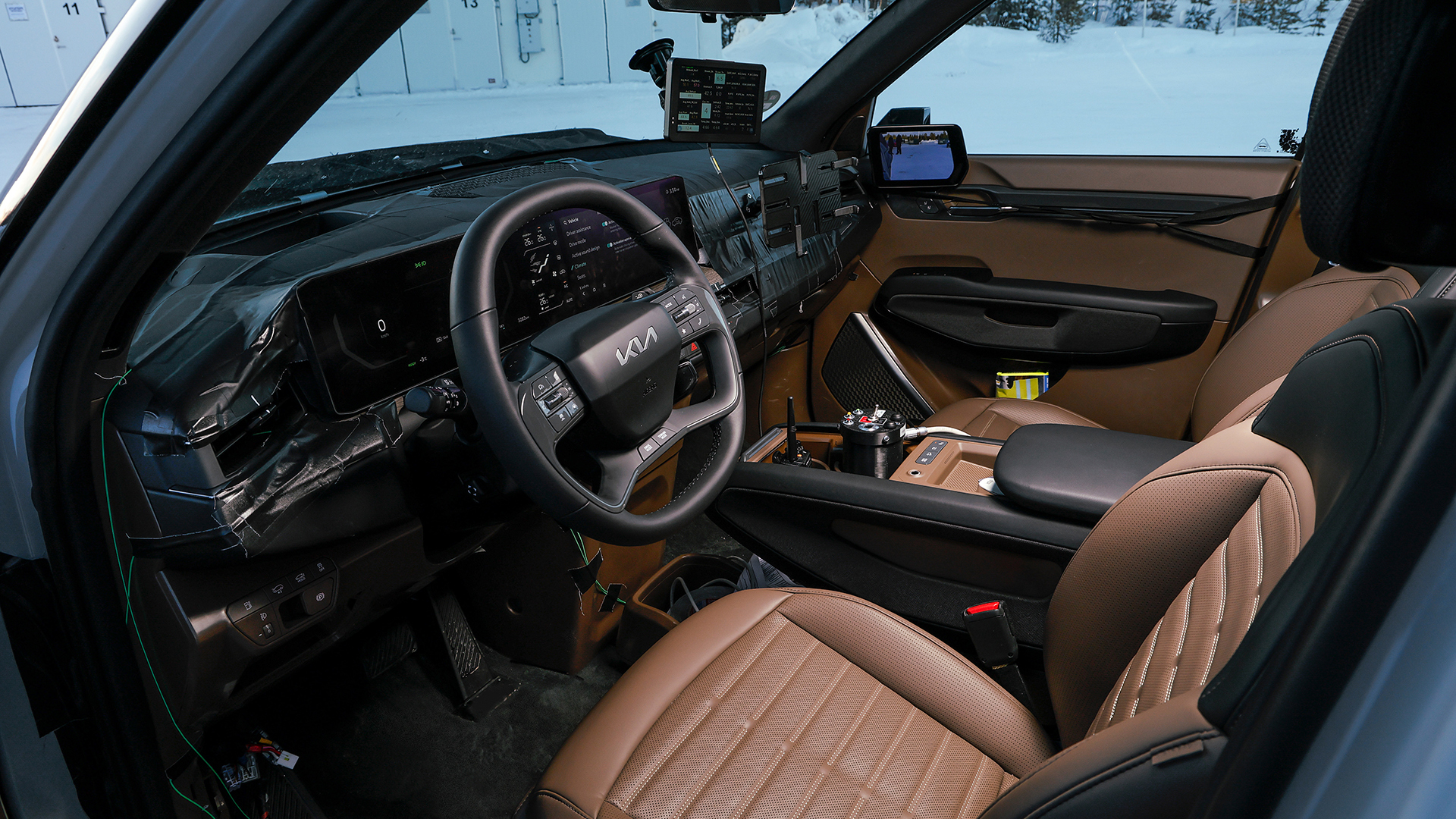
The EV9 features three seat rows and can accommodate up to seven passengers, with two independent climate control systems. This enables separate climate zones for the driver, the front passenger and the rear passengers. As standard, the seats equipped in the front and the first row are all ventilated and heated, and feature new wiring to further enhance efficiency.

“Having two independent HVAC systems doesn’t only increase comfort – it also reduces unnecessary power consumption,” commented Gregor Krumboeck, product marketing manager at Kia Europe. “They can save energy by turning off the air conditioning for empty seats, or for passengers who don’t want it.”

When carrying out testing of the HVAC systems, the OEM’s engineers tuned the control algorithm of the climate control to maximize cabin comfort and to optimize power consumption under extreme weather scenarios.
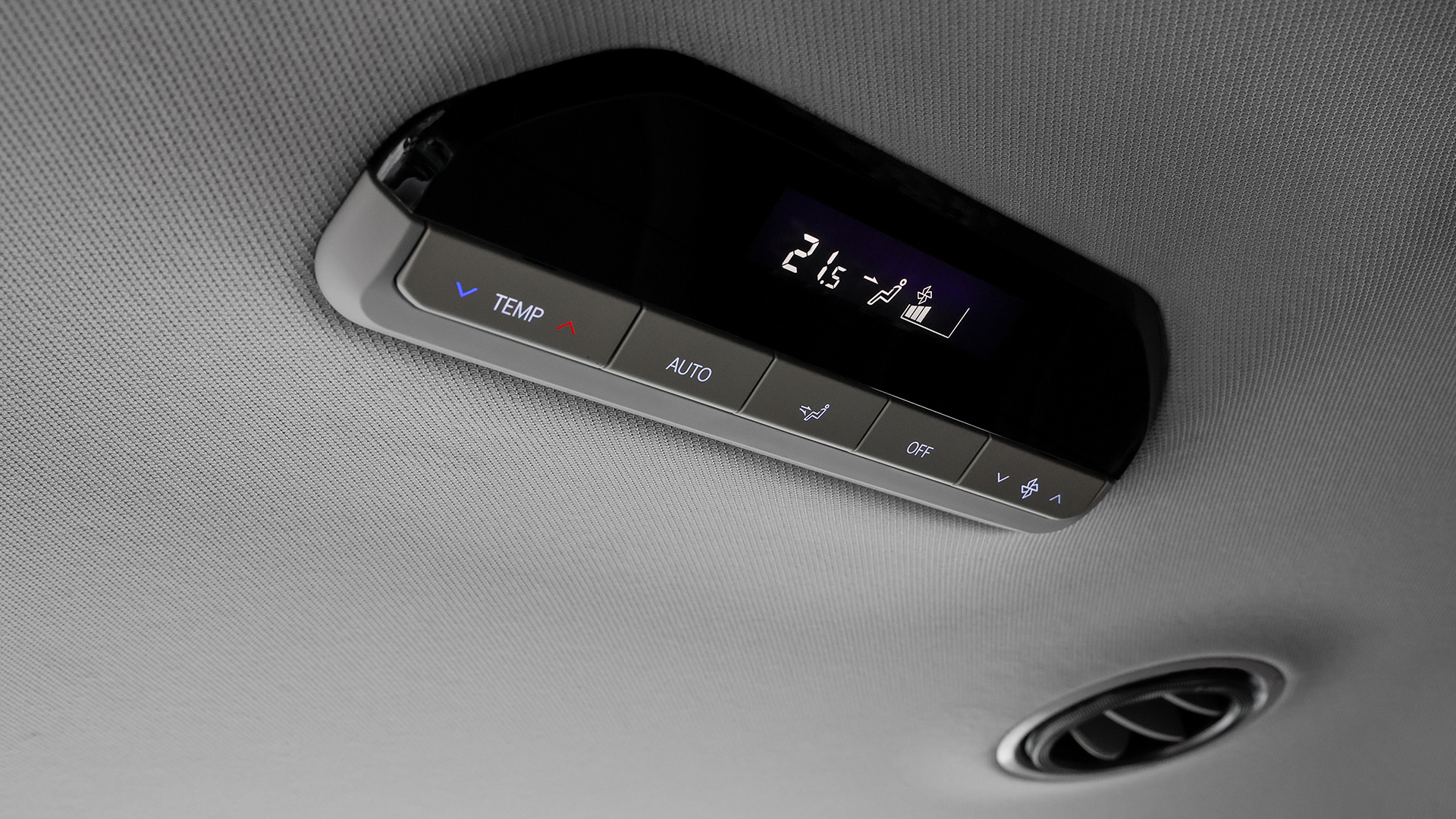
The new cabin climate control can automatically control the inside temperature, intensity and direction of air flow, or the passengers can instead manually change these. Furthermore, new and enhanced vents located in the roof have been added to optimize air resistance and diffusion angle to heat or cool all passengers located in the second and third rows.

Kia has also updated the air conditioning system with a new after-blow system which reduces condensation build up on the evaporator to prevent bacteria from growing and unwanted odors.

Share. LinkedIn Twitter Facebook Email
Previous ArticleFaurecia unveils sustainable Skin Light Panel to reduce interior weight
Next Article Indie Semiconductor launches 120GHz radar transceiver for in-cabin monitoring systems

Read Similar Stories

The two-phase MOTIX TLE994x (left) and the three-phase MOTIX TLE995x (right).
Microprocessors

Infineon expands Motix SoC line for smarter, safer automotive motor control

November 7, 20252 Mins Read
Tata Motors truck range.
Dash

Tata Motors launches air conditioned cabins and cowls across its truck range

June 11, 20252 Mins Read
Mahle presents an air conditioning system inspired by penguin fins.
HVAC

Mahle presents AC systems inspired by penguin fins

April 30, 20252 Mins Read
Latest News
eSync Alliance expands adoption of SDVs with Tata Sierra program.

eSync Alliance expands adoption of SDVs with Tata Sierra program

May 14, 2026
Audi focuses on interior comfort and user experience in new Q9 SUV.

Audi focuses on interior comfort and user experience in new Q9 SUV

May 13, 2026
Red Hat and Nissan collaborate on next-generation software-defined vehicle platform.

Red Hat and Nissan collaborate on next-gen SDV platform

May 13, 2026

Receive breaking stories and features in your inbox each week, for free


Enter your email address:


Supplier Spotlights
  • Meler Gluing Solutions
Getting in Touch
  • Contact Us / Advertise
  • Meet the Editors
  • Media Pack
  • Free Weekly E-Newsletter
Our Social Channels
  • LinkedIn
UKi Media & Events
Related UKi Topics
  • Automotive Testing
  • Automotive Powertrain
  • Autonomous Vehicle
  • Professional Motorsport
  • Tire Technology
  • Media Pack
© 2026 UKi Media & Events a division of UKIP Media & Events Ltd
  • Terms and Conditions
  • Privacy Policy
  • Cookie Policy
  • Notice and Takedown Policy

Type above and press Enter to search. Press Esc to cancel.