


Close Menu
Automotive Interiors World
  • News
    • A-C
      • 3D Printing
      • ADAS
      • Aftermarket
      • Appointments, Partnerships, Investments & Acquisitions
      • Augmented Reality
      • Automotive Interiors Expo
      • Autonomous
      • Computing
      • Concepts
      • Connectivity
    • D-L
      • Dash
      • Displays
      • EV
      • Graphics & Printing
      • Haptics
      • HMI
      • HVAC
      • Infotainment
      • Lighting
      • Luxury
    • M-S
      • Materials
      • Microprocessors
      • NVH & BSR
      • Personal Assistants
      • Safety
      • Seating
      • Sensors
      • Simulation
      • Sound System
    • S-V
      • Sport
      • Surfaces & Decoration
      • Sustainability
      • Testing
      • Trim
      • Virtual Reality
  • Features
  • Online Magazines
    • May 2020
    • October 2019
    • May 2019
    • October 2018
    • May 2018
    • Subscribe Free!
  • Opinion
  • Videos
  • Supplier Spotlight
LinkedIn
  • Sign-up for Free Weekly E-Newsletter
  • Meet the Editors
  • Contact Us
  • Media Pack
LinkedIn
Subscribe
Automotive Interiors World
  • News
      • 3D Printing
      • ADAS
      • Aftermarket
      • Appointments, Partnerships, Investments & Acquisitions
      • Augmented Reality
      • Automotive Interiors Expo
      • Autonomous
      • Computing
      • Concepts
      • Connectivity
      • Dash
      • Displays
      • EV
      • Graphics & Printing
      • Haptics
      • HMI
      • HVAC
      • Infotainment
      • Lighting
      • Luxury
      • Materials
      • Microprocessors
      • NVH & BSR
      • Personal Assistants
      • Safety
      • Seating
      • Sensors
      • Simulation
      • Sound System
      • Sport
      • Surfaces & Decoration
      • Sustainability
      • Testing
      • Trim
      • Virtual Reality
  • Features
  • Online Magazines
    1. May 2020
    2. October 2019
    3. May 2019
    4. October 2018
    5. May 2018
    6. Subscribe Free!
    Featured
    April 3, 2020

    In this Issue – May 2020

    By Helen NormanApril 3, 2020
    Recent

    In this Issue – May 2020

    April 3, 2020

    In this Issue – October 2019

    September 19, 2019

    In this Issue – May 2019

    April 30, 2019
  • Opinion
  • Videos
  • Supplier Spotlight
  • Events
LinkedIn
Subscribe
Automotive Interiors World
Safety

LG debuts new in-cabin radar, claims 40% greater resolution than existing solutions

Lawrence ButcherBy Lawrence ButcherJuly 4, 20223 Mins Read
Share LinkedIn Twitter Facebook Email

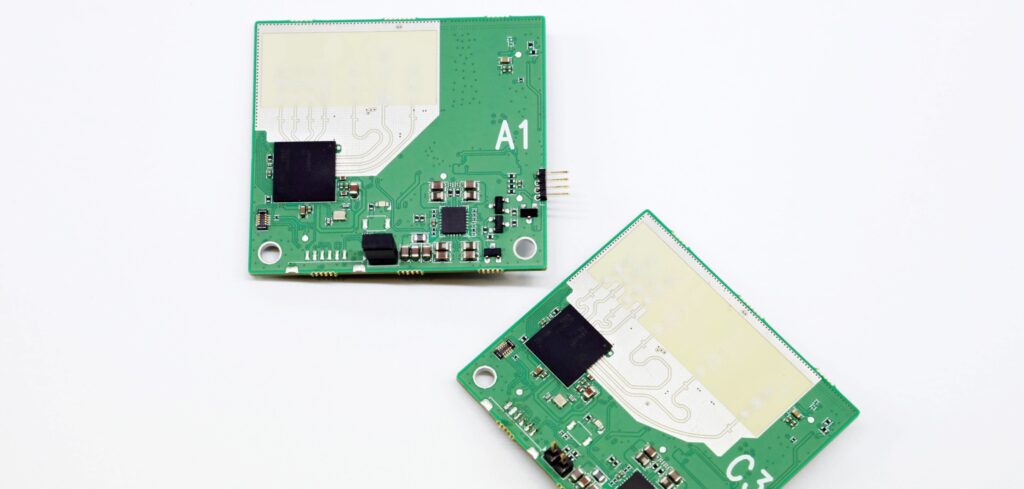
LG Innotek has developed a new in-cabin radar module that it claims outperforms existing systems on the market. The module is used to detect the presence or movement of people or pets in vehicles and can be used to prevent vehicle burglary or children being left in the car alone.

LG notes that demand for in-cabin sensors, including in-cabin radar modules, is on the rise on a global scale. For example, in Korea, the installation of safety devices that can check if children remain in a vehicle has become compulsory for all minibuses transporting children. Europe also plans to add a child presence detection (CPD) test to its standards for new automobile sales starting in 2023. The USA is also pursuing the mandatory installation of child presence detection function from 2025 to prevent parents from leaving their children alone in the car.

Byaeng kuk Yoo, VP of the automotive components and electronics business unit at LG Innotek, commented, “Up until now, vehicle radar modules had strengths in their prices, sizes and external environments, but fell short of expectations in their resolutions. LG Innotek’s in-cabin radar module has overcome limits that existed in terms of resolution and innovated customer experience (CX), creating a great ripple in the vehicle radar module market. In the future, we will continue to release components for future vehicles faster than competitors, innovating CX and advancing the era of autonomous driving.”

The company highlights that radar has several advantages for CPD, not least that it can penetrate obstacles such as clothes and blankets and detect the presence of a living organism. Since it uses radio waves instead of images, it is free from privacy infringement issues. Also, unlike pressure sensors and ultrasonic sensors, radar modules do not need multiple sensors to function and have high sensitivity. In autonomous vehicles, radar can play different roles on behalf of the driver, such as checking the fastening of seatbelts and notifying passengers when they should leave the vehicle.

LG claims that its in-cabin radar modules have increased the resolution by approximately 40% compared with existing products, and that the module’s signal processing time has been reduced by 30%, enabling faster detection of objects. These improvements were achieved thanks to the use of a proprietary antenna design and a weak signal detection algorithm (an algorithm that filters noise and uses only valid signals).

The company also used digital transformation (DX) technology to optimize the antenna layout, achieving antenna performance 1.3 times higher than before with the same number of antennas. It was also able to minimize signal detection errors and developed its own software that increased the sensitivity to weak signals, further improving the product’s precision.

Share. LinkedIn Twitter Facebook Email
Previous ArticleHuawei brings cloud and big data technology to Atlas vehicle infotainment OS
Next Article Stanyl high-temperature polyamide now available in bio-based variant

Read Similar Stories

Interior of the new Volkswagen ID Cross compact electric SUV.
ADAS

Volkswagen launches ID Cross compact electric SUV built on MEB+ platform

July 16, 20263 Mins Read
A Hyundai Palisade driver sets up the Hyundai myQ Auto-Close Upon Leaving feature in Mission Viejo, Calif., on March 12, 2026
Connectivity

Hyundai and Chamberlain Group partner on remote garage door control with myQ Connected Garage integration

July 15, 20263 Mins Read
Two people in the front seats of a vehicle with digital information overlaid demonstrating how the occupant detection system works.
Safety

Aptiv introduces camera-only occupant detection system

June 16, 20263 Mins Read
Latest News

Vehicle Tech Week speaker interview: Manoj Kumar, software architect, Ford Motor Company

August 14, 2026

Rethinking occupant safety and restraints for driverless cars

August 14, 2026
A person wearing a light blue shirt reaches forward for a touchscreen in a connected smart vehicle.

Neusoft Smart Go and GigaDevice to collaborate on intelligent cockpit solutions

August 13, 2026

Receive breaking stories and features in your inbox each week, for free


Enter your email address:


Supplier Spotlights
  • Meler Gluing Solutions
Getting in Touch
  • Contact Us / Advertise
  • Meet the Editors
  • Media Pack
  • Free Weekly E-Newsletter
Our Social Channels
  • LinkedIn
UKi Media & Events
Related UKi Topics
  • Automotive Testing
  • Automotive Powertrain
  • Autonomous Vehicle
  • Professional Motorsport
  • Tire Technology
  • Media Pack
© 2026 UKi Media & Events a division of UKIP Media & Events Ltd
  • Terms and Conditions
  • Privacy Policy
  • Cookie Policy
  • Notice and Takedown Policy

Type above and press Enter to search. Press Esc to cancel.