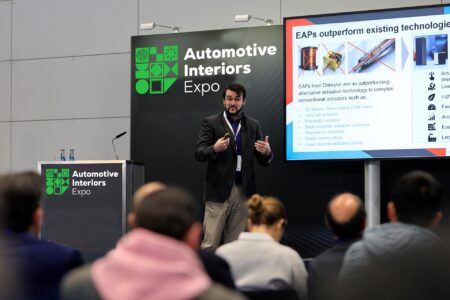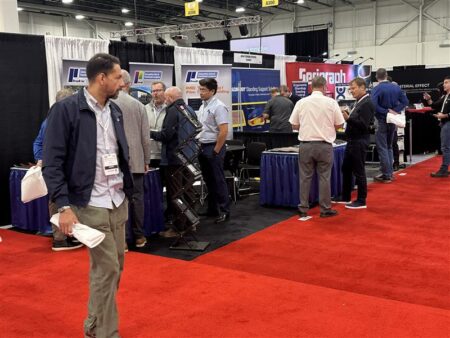


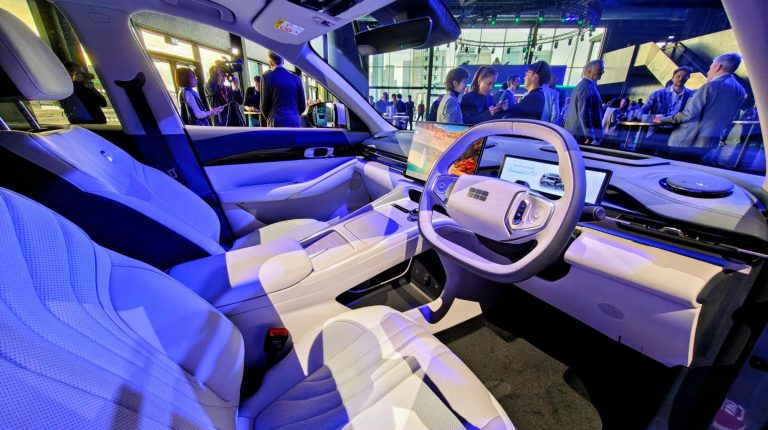
AIW speaks to Steve Stanforth, CMF design chief at Geely Technology Europe UK, about his upcoming appearance at the InteriVision Forum, where he will discuss CMF design in the era of the digital cabin during a panel session. The forum will take place at Automotive Interiors Expo in Messe Stuttgart, Germany, on June 24, 2026

What will you discuss during the panel session?
As automotive interiors undergo rapid transformation, designers now sit at a critical inflection point where authenticity and perceived quality rely on the seamless fusion of technology and materiality. This session explores where true consumer value is created, and how to strike the right balance between digital innovation and tactile materiality to elevate the user experience and reinforce brand identity.
As cabins become more software-defined, what do you think people still fundamentally need to feel physically inside a car?
At a basic level, people still need reassurance, comfort and a sense of control. Regardless of how advanced the software becomes, the human body remains analog. Surfaces that feel warm, honest and intuitive to touch help build trust and reduce cognitive load. Physical reference points, material authenticity and human-scale proportions are still essential in making occupants feel grounded and confident rather than overwhelmed by digital layers.
Is perceived quality today more about craftsmanship, interface responsiveness or emotional coherence between the two?
Increasingly, it’s about emotional coherence between all elements. Craftsmanship and interface performance are no longer independent signals of quality; users expect both as a baseline. True perceived quality emerges when materials, interfaces, interaction design and brand intent feel aligned and tell a single, consistent story. When something feels discordant – perhaps a premium material paired with a clumsy digital interaction – that’s where quality perception quickly breaks down.
Where do you personally think the industry sometimes overcomplicates the cabin experience?
We sometimes mistake complexity for innovation. In the drive to be visibly ‘high-tech,’ cabins can become cluttered with features, screens, interactions or configurable options that offer little real value to the user. Simplicity, clarity of purpose and intuitive use are often more progressive than adding yet another layer of functionality. Good CMF (color, material and finishing) design should quietly guide behavior, not demand attention.
Has there been a recent interior trend you were initially skeptical about but later changed your mind on?
I was initially skeptical about the reduction or removal of traditional physical controls. Over time, I’ve come to appreciate that, when done thoughtfully, a hybrid approach can be very successful. The key is not removing physicality altogether, but rethinking where tactile interaction genuinely adds value and where digital solutions can offer flexibility without compromising usability or emotional comfort.
What key takeaways do you hope attendees will get from your discussion?
I hope attendees leave with a clearer understanding that CMF design is not decorative or secondary in the digital era – it’s strategic. CMF has a critical role in translating digital complexity into human experience, shaping brand identity, and defining perceived quality. Ultimately, the goal is to design interiors that feel cohesive, emotionally resonant and unmistakably human, even as vehicles become increasingly software-driven.
Automotive Interiors Expo takes place June 23-25, 2026, at Messe Stuttgart, Germany.
Click here for your FREE pass to attend the expo and forum. See the complete line-up of forum speakers here